



Table of Contents
Global Events Malaysian Fans Watch: Full Guide to the FIFA World Cup 2026
Although it is not a domestic tournament, the FIFA World Cup 2026 stands among the most anticipated global sporting spectacles for Malaysian fans. Football remains deeply embedded in Malaysia’s sporting culture, with international competitions consistently drawing large television and streaming audiences across the country.
From 11 June to 19 July 2026, the world will once again unite around football’s biggest stage. While matches are scheduled globally, Malaysian supporters will follow the action through early-morning and late-night broadcasts (MYT), continuing the tradition of sleepless nights, lively discussions, and unforgettable football moments.
As anticipation builds, here is a comprehensive look at what Malaysian fans should know, what to watch for, and what to expect from the FIFA World Cup 2026.
Tournament Dates and Global Schedule
The FIFA World Cup 2026 will officially run from 11 June to 19 July 2026, spanning more than five weeks of elite international football. The extended tournament duration reflects the newly expanded format, which introduces additional teams and matches.
Due to time zone differences between host venues and Malaysia, viewers can expect:
- Midnight kickoffs
- Early-morning fixtures (12:00 AM – 6:00 AM MYT)
- Late-night prime matches
- Weekend football marathons
Malaysian fans are no strangers to adjusting sleep schedules during major tournaments. Sports cafés, mamak stalls, and home gatherings will likely become hubs of football activity throughout the tournament period.
Why FIFA World Cup 2026 Is Historic
The 2026 edition represents a major evolution in World Cup history. For the first time ever, the tournament expands from 32 teams to 48 teams. This structural shift dramatically alters the competition landscape.
Expanded Representation
The 48-team format increases global inclusion, providing more qualification spots for:
- Asian Football Confederation (AFC)
- African nations
- CONCACAF teams
- Smaller European associations
For Malaysian fans, this means greater regional representation and a higher probability of seeing Asian teams compete in deeper stages of the tournament.
Increased Match Volume
The expanded structure leads to:
- More group-stage games
- Additional knockout rounds
- A broader range of competitive matchups
With more matches scheduled, the 2026 edition is expected to break previous records for total games played in a single World Cup.
Asian Teams: A Growing Focus for Malaysian Fans
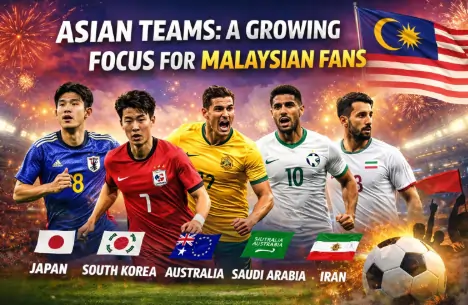
Football interest in Malaysia extends beyond domestic leagues, with strong support for Asian national teams competing internationally. The expanded qualification system significantly benefits Asian football.
Increased AFC Slots
The Asian Football Confederation is expected to receive more automatic qualification spots, boosting representation from:
- Japan
- South Korea
- Australia
- Iran
- Saudi Arabia
- Emerging Southeast Asian nations
For Malaysian fans, this development brings renewed regional pride and competitive excitement. While Malaysia itself continues to develop its international football standing, supporters often rally behind neighboring Asian nations in global tournaments.
Traditional Powerhouses and Tournament Favorites
Despite structural changes, football’s traditional giants remain central to the FIFA World Cup 2026 narrative.
European and South American Dominance
Historically, European and South American teams have dominated the World Cup. Powerhouses typically include:
- France
- Brazil
- Germany
- Argentina
- Spain
- England
- Italy
However, the expanded format may create greater unpredictability. Additional matches increase the likelihood of upsets, while emerging nations gain more exposure and experience.
What to Know About the Defending Champion
One of the most compelling storylines of every World Cup centers on the defending champion. Entering the FIFA World Cup 2026, the reigning titleholder will face immense scrutiny and heightened expectations.
The Challenge of Retaining the Trophy
Defending a World Cup title is historically difficult. Modern football’s competitive balance, tactical evolution, and player turnover make back-to-back championships rare.
Key considerations include:
- Squad transitions following retirements or aging players
- Tactical adjustments by opponents who studied previous strategies
- Psychological pressure from global expectations
- Injury management across an extended tournament
Malaysian fans will closely observe whether the defending champion can sustain dominance or fall victim to the so-called “champion’s curse.”
Players to Watch in 2026
By 2026, global football will feature a blend of established superstars and emerging talents reaching their prime years.
Rising Generation
The tournament may serve as:
- A breakout stage for young elite players
- A career-defining platform for rising attackers and midfielders
- A spotlight moment for emerging defensive leaders
Veteran Farewells
Conversely, some legendary players could use the FIFA World Cup 2026 as their final international appearance, adding emotional weight to the competition.
Malaysian fans who closely follow European leagues will already be familiar with many of these players, increasing engagement throughout the tournament.
Tactical Evolution in Modern Football
Football strategy continues to evolve rapidly, and the 2026 edition is expected to reflect cutting-edge developments.
High-Intensity Pressing
Teams increasingly rely on coordinated pressing systems to regain possession quickly.
Data-Driven Preparation
Modern squads utilize:
- Performance analytics
- Player tracking technology
- Opponent scouting software
- Fitness monitoring systems
Squad Depth and Rotation
With a longer schedule and more matches, squad rotation becomes essential. Teams with greater depth may hold significant advantages during later knockout stages.
Broadcast and Viewing Culture in Malaysia
The FIFA World Cup consistently transforms Malaysian viewing habits.
Late-Night Football Tradition
Fans often gather at:
- 24-hour mamak restaurants
- Sports bars
- Community viewing centers
- Private home screenings
Despite inconvenient hours, the atmosphere remains festive and communal.
Streaming and Digital Platforms
By 2026, digital streaming is expected to dominate viewership trends. Malaysian audiences increasingly rely on:
- Mobile streaming apps
- Smart TV platforms
- Social media highlights
- Live statistical dashboards
Interactive engagement will likely enhance the overall viewing experience.
Economic and Commercial Impact
The FIFA World Cup 2026 will also influence local commercial activity.
Increased Consumer Spending
During major tournaments, Malaysia typically experiences:
- Higher food and beverage sales
- Increased merchandise purchases
- Subscription spikes for streaming services
- Promotional campaigns by local brands
Sports-Related Promotions
Retailers and digital platforms often align marketing campaigns with World Cup themes, creating seasonal commercial momentum.
Underdog Stories and Tournament Drama
One of the defining characteristics of the World Cup is unpredictability. The expanded format may increase the number of surprise performances.
Potential Upsets
More participating nations mean:
- Greater tactical diversity
- Increased unpredictability
- Opportunities for smaller footballing nations to shock established teams
Malaysian fans historically enjoy dramatic underdog stories, particularly when Asian teams challenge European or South American giants.
Social Media and Fan Engagement
By 2026, social media platforms will play an even larger role in shaping fan experiences.
Real-Time Discussions
Malaysian football supporters actively participate in:
- Match commentary threads
- Tactical debates
- Meme culture
- Player rating discussions
Influencer and Analyst Content
Expect expanded coverage through:
- Local football commentators
- Tactical breakdown videos
- Post-match livestream discussions
Digital engagement will complement traditional television broadcasts.

The Knockout Stage: Where Legends Are Made
As always, the knockout rounds will define the tournament.
Quarterfinals and Semifinals
These stages often produce:
- High-pressure penalty shootouts
- Tactical masterclasses
- Emotional celebrations and heartbreak
The Final
Scheduled for 19 July 2026, the final match will draw global viewership and significant Malaysian audience participation despite potential time-zone challenges.
What Malaysian Fans Should Prepare For
As the tournament approaches, Malaysian supporters should anticipate:
- Adjusted sleep schedules
- Weekend match marathons
- Heated discussions with friends and colleagues
- Nationwide football excitement
Preparation may include organizing viewing parties, setting alarms for early kickoffs, and planning social gatherings around major fixtures.
Broader Significance of FIFA World Cup 2026
Beyond entertainment, the FIFA World Cup 2026 symbolizes:
- Global unity through sport
- Cultural exchange
- National pride
- Athletic excellence
For Malaysian fans, participation as viewers reinforces their connection to the global football community.
Expectations for 2026
Looking ahead, expectations include:
- Record-breaking global viewership
- Increased Asian competitiveness
- Tactical sophistication
- Digital-first broadcast integration
- Heightened commercial engagement
With 48 teams competing over five weeks, the 2026 edition is poised to become one of the most expansive and unpredictable tournaments in football history.
Final Thoughts
The FIFA World Cup 2026, running from 11 June to 19 July 2026, promises to deliver drama, innovation, and global spectacle on an unprecedented scale. For Malaysian fans, it represents more than an international event — it is a shared national experience defined by sleepless nights, passionate debates, and collective celebration.
With an expanded 48-team format, increased Asian representation, evolving tactical approaches, and intense scrutiny on the defending champion, the tournament offers compelling storylines at every stage.
As kickoff approaches, Malaysian football supporters are preparing once again to embrace the excitement, unpredictability, and emotional highs that only the World Cup can provide.